We have the northside of Brisbane covered when it comes to your battery requirements so drop into one of our main stores at Brendale, Caboolture or North Lakes.

How to extend your car battery’s lifespan: Top 10 tips for longevity
Date
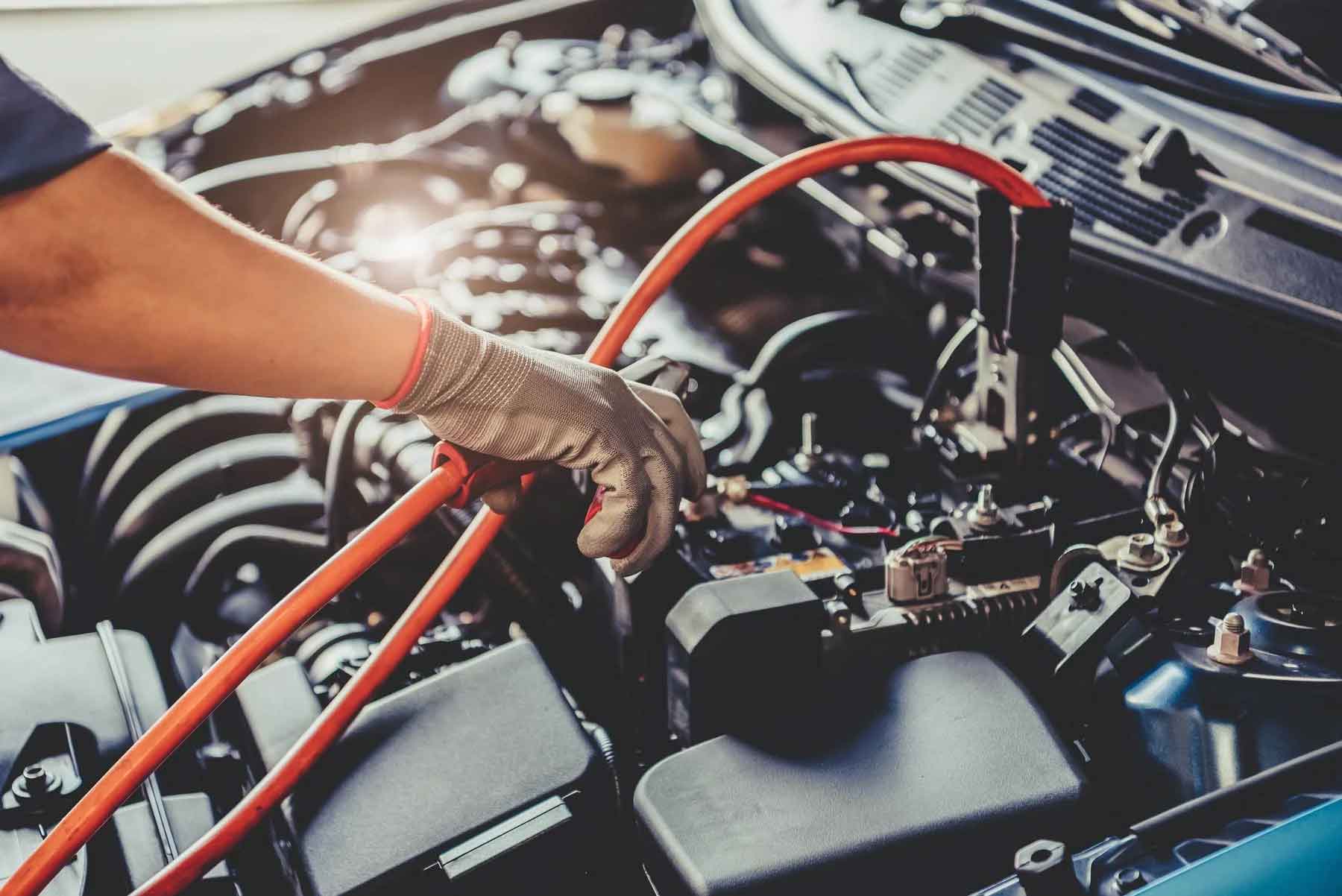
We all want our purchases to last, and there’s nothing quite as frustrating as an item failing sooner than expected, especially when it’s something as crucial as your car battery.
Imagine being stuck in a car park, running late for a crucial meeting, only to find your car won't start – that's the classic dead battery scenario. A well-maintained car battery not only saves you money on replacements but also ensures reliability and supports your vehicle's overall performance, allowing you to be confident that your car will start every time you turn the ignition key.
How car batteries work: A quick overview
At the heart of your vehicle's electrical system is the battery, serving as the electrical powerhouse of your car. Its primary job is to provide the initial burst of power needed to start your engine. Think of your battery like a bucket filled with electrical charge. Each time you start your car, some charge is taken out of this bucket. The battery also powers various electrical components, such as your clock or odometer, when the engine isn't running.
Once your car is started and moving, the alternator takes over. It's responsible for generating electrical power on the go, converting mechanical energy from the engine into electrical energy. This generated power not only runs most of your car's electrical needs but also recharges the battery, ensuring it's topped up for the next start. This continuous charging by the alternator is why a 'flat' battery can sometimes be jump-started and recharged by driving your vehicle around.
Top 10 tips to extend your car battery’s lifespan
Many factors influence how long your car battery will last, beyond just its initial quality. The way you use it, the environment it's in, and your driving habits all play a significant role. Here are our top tips to help your car battery last longer:
1. Drive regularly to keep the battery charged
When you start your car, you use power from the battery. While the alternator recharges it once you're driving, frequent, short car trips might not give the alternator enough time to fully replenish the charge, slowly emptying that 'bucket'.
Pro Tip: If you can't drive your car regularly, or you're going away, try to have someone take it out for at least 15-20 minutes once a week or fortnight to allow the alternator to recharge the battery.
2. Clean battery terminals to prevent corrosion
Corrosion, often appearing as a white, ashy substance around battery terminals, can prevent proper electrical flow. Regularly checking and cleaning these terminals is crucial for battery health.
How it works: You can neutralise acid and clean terminals using a simple mixture of baking soda and water. Apply the paste carefully and watch for fizzing, which indicates the acid is being neutralised. After neutralising, clean up any spills thoroughly with paper towels or disposable cloths and wash the area with water and a mild detergent.
Take a look at our article What to do if your car battery is corroded for more info
3. Secure the battery to reduce vibration damage
Believe it or not, too much vibration is not good for your battery. If your engine rattles, it can cause cracks in cell connectors and separators, shortening your battery's life.
Ensuring your battery is bolted down and doesn't move helps prevent this internal damage, allowing it to last longer.
4. Turn off electronics when the engine is off
Even when your car is off, certain electrical components like the clock, alarm system, and radio can draw a small amount of power, known as parasitic draw.
Turning off lights, accessories, and other electronic devices when the engine isn't running prevents unnecessary draining of the battery, especially if the car is sitting idle.
5. Use a battery maintainer for long-term storage
If you plan on storing your vehicle for an extended period, a battery maintainer (or tender) is an excellent solution. These devices provide a slow, consistent charge, keeping your battery at its optimal level and preventing it from draining due to parasitic draw or self-discharge. Alternatively, disconnecting the negative terminal can also significantly slow down battery drain.
6. Park in a garage or shaded area
Extreme temperatures, both hot and cold, can negatively impact your battery's lifespan. Cold weather, while less of a concern in Queensland, makes it harder for a weakened battery to hold its charge, draining it quicker. High temperatures can also accelerate degradation.
7. Inspect the alternator for proper charging
The battery and alternator work in harmony. A faulty alternator can put unnecessary strain on your battery, leading to it weakening or discharging over time.
Ensuring your alternator is functioning correctly means your battery is consistently recharged while you drive, preventing it from being overworked or undercharged. Signs of alternator issues include battery warning lights on the dash, flickering lights, or electrical malfunctions when the engine is running.
8. Choose the right battery for your vehicle
Installing the wrong type of battery can cause it to die faster than normal. Different cars have different power requirements; newer cars, for instance, have more electrical components that draw power.
Matching the battery type and specifications (like cranking amps and reserve capacity) to your car's needs ensures it can handle the electrical demands without being overworked, prolonging its life. High-performance batteries, for example, offer higher cranking amps, faster recharge rates, and increased reserve capacity, which can be beneficial for vehicles with demanding accessories or those driven in extreme conditions.
9. Regularly check your battery's health
While not explicitly about "voltage," routinely checking your battery's overall health and cleanliness is part of good maintenance. This involves cleaning terminals and potentially using a battery tester. Staying on top of routine checks helps identify minor issues before they escalate into major problems, keeping your car running optimally.
10. Schedule regular battery maintenance checks
Don't wait for your battery to fail completely. Regular inspections by a qualified mechanic or battery specialist can catch issues early.
Common mistakes that shorten battery life
Being aware of common pitfalls can significantly extend the life of your battery. Here’s a few to look out for:
- Leaving electronics on: Forgetting to turn off headlights, interior lights, or the radio after switching off the engine can quickly drain your battery, leading to a flat battery.
- Ignoring warning signs: Symptoms like your car turning over slowly, dimming headlights, or a rapid clicking sound when you try to start the engine are all signs of a flat or weakening battery. Ignoring these can lead to a completely dead battery.
- Neglecting terminal cleaning: Allowing corrosion to build up on battery terminals impedes electrical flow and can shorten battery life.
- Frequent short trips: As mentioned, repeated short drives might not allow the alternator sufficient time to fully recharge the battery, leading to gradual depletion.
- Leaving the car idle for too long: When a car sits unused, parasitic draw from components like the clock and alarm system will slowly drain the battery. If left for a few weeks to a couple of months, the battery can die entirely.
When to replace your car battery
Even with the best care, car batteries have a limited lifespan. The average car battery typically lasts somewhere between four to six years.
However, this can be shorter depending on factors like usage, the environment (extreme temperatures can degrade batteries quicker), and the battery's quality. Truck batteries, for example, might last between three and five years, with some lasting up to seven, depending on the type and maintenance.
Here are the signs that your battery might be failing or has completely died:
- Dim headlights or flickering lights: If your headlights appear dimmer than usual or flicker when you start the engine, it could indicate a flat or dying battery.
- Slow engine crank: If the engine cranks slowly or takes longer than usual to start, your battery might be low on charge.
- A clicking or rapid clicking sound when you turn the key often indicates that the battery is flat or almost flat.
- No electrical power, no cranking: A dead battery will offer no electrical power, no cranking, and no lights, and cannot be jump-started or recharged.
- Frequent jump-starts: If you find yourself needing frequent jump-starts, it's a strong sign that your battery is nearing the end of its life.
If you notice any of these signs, it's always wise to consult a qualified mechanic or battery specialist. They can perform diagnostic tests to confirm if your battery is the issue and help you choose a compatible replacement. Remember, a dead battery has no residual power and needs to be replaced, whereas a flat battery still retains some charge and may be rechargeable.
For assistance with choosing the right battery for your vehicle or for expert advice on battery care, don't hesitate to contact the friendly team at Allstar Batteries today!
Here's what our happy customers say...
John Brophy
Josh Austin
Peter Martinez
Dan Spears
BRENDALE
12 Garret Street
Brendale Qld 4500
Ph: 0413 692 236
CABOOLTURE
6/106 Lear Jet Drive
Caboolture Qld 4510
Ph: (07) 5309 4905
Ph: 0413 430 218
NORTH LAKES
12/88 Flinders Pde
North Lakes Qld 4509
Ph: (07) 3048 2293
Ph: 0423 369 353
